British English often employs mass nouns where American English would only employ count nouns. Count nouns are nouns which take pluralization and numerical quantifiers like 'many'. Mass nouns can't be pluralized and take volume quantifiers like 'a bit of'. For example:
- I like sport.
- I like drink.
- I pay tax.
- I've got toothache/earache/stomachache/backache.
- I eat mashed potato/scrambled egg.
- I play with lego.
In American English, we would render these:
- I like sports.
- I like to drink / I like to have drinks.
- I pay taxes.
- I've got a toothache/earache/stomachache/backache.
- I eat mashed potatoes/scrambled eggs.
- I play with legos.
These facts are documented here, here and here. But this difference is not mentioned on the Wikipedia page comparing British English to American English.
My question is simply what other nouns which are standardly count in AmE are often mass in BrE?
Further, are there any broad categories of nouns (for example, food nouns) that tend to be count in AmE but tend to be mass in BrE? Or does the difference only exist for particular and isolated lexical items? (The first link I provided says that many foods are not conventionally massified in BrE, for example 'refried bean').
Here are two final caveats:
First, I know that any count noun can be turned into a mass noun by simply putting it in the syntactic position of a mass noun. That's why "I ate (a bit of) chicken" is acceptable in both AmE and BrE. But I am asking about the obvious differences between AmE and BrE regards their conventional uses of nouns as mass and count.
Second, I know these types of list questions are hard for single users to answer, and sometimes generate controversy on EL&U (for example, this one on kennings generated some controvery). Still, I'll upvote any responses that make a novel contribution.
Answer
Mighty Fine Words and Smashing Expressions: Making Sense of Transatlantic English (2001)
Summary of this book's section on BrE/AmE uncountable/countable nouns:
Most vegetables that are uncountable in BrE are countable in AmE, with these exceptions: broccoli, spinach, lettuce, i.e. vegetables that already have different ways of distinguishing discrete forms: head of broccoli, leaf of spinach, lettuce leaf
Individual servings of coffee/tea are countable in BrE, e.g. a coffee/a tea, while in AmE you would say a cup of coffee/a cup of tea.
accomodation is uncountable in BrE, while accomodations in AmE refers to the multiple different types of accomodation: room and board, food, entertainment
various different aches are uncountable in BrE, and countable in AmE, such as "she's got cramps" (for menstrual distress but used for muscle cramps as well).
BrE attaches plural verbs to group nouns and organizations, e.g. "the team are playing"
(circle-making) compass, (conduit) main, (business) overhead, and (weighing) scale are usually used in their singular form in AmE and in plural form in BrE, while BrE usually uses wood to refer to a small forest and AmE uses woods.

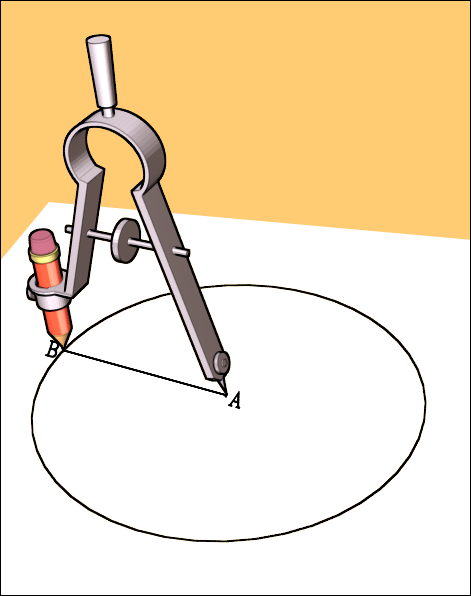


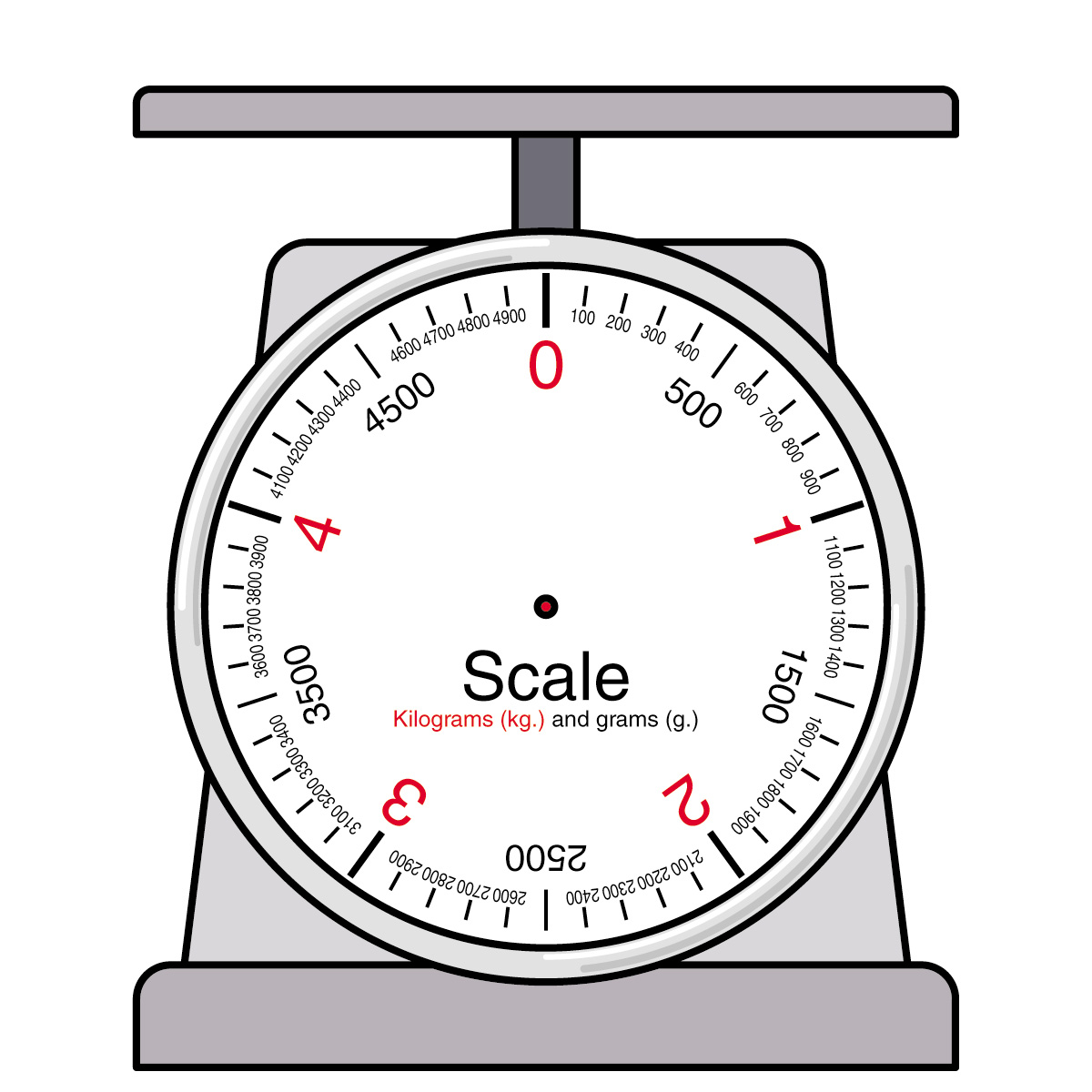
In BrE, flies is acceptable to refer to your trousers' zipper:

BrE: roadworks Cambridge dictionary
AmE: roadwork MacMillan dictionary
BrE: "a saving of 10%"
AmE: "a savings of 10%"
https://ell.stackexchange.com/questions/64918/a-savings-is-that-even-grammatical
Comments
Post a Comment